
Assess Once, Comply to Many


Meet Seven Core Principles
The Act is guided by consent and transparency, purpose limitation, data minimization, accuracy, storage limitation, security safeguards, and accountability.

Use Your Transition Time
The DPDP Rules provide an 18-month phased compliance timeline, allowing organizations time to transition smoothly.

Breach Notification Readiness
In the event of a personal data breach, Data Fiduciaries must promptly inform affected individuals in plain language, covering the nature and consequences of the breach, remediation steps, and contact details.

One Assessment, Two Outcomes
DPDP Readiness and ISO/IEC 27701 Certification. ISO/IEC 27701:2025, published in October 2025, is now a standalone, certifiable Privacy Information Management System (PIMS) standard. Its controller and processor requirements cover much of what the DPDP Act asks for: privacy notices and consent, Data Principal rights, retention and disposal, privacy impact assessments, processor contracts and cross-border transfers. Rule 6's security safeguards align with ISO/IEC 27001 controls. As an ISO/IEC 27701 certification body, ControlCase can assess your DPDP readiness and your PIMS in one engagement, gathering evidence once. The result is an internationally recognised certificate alongside your DPDP assessment report. DPDP-specific requirements, such as the 72-hour report to the Data Protection Board, verifiable parental consent, the 90-day grievance window and one-year log retention, are tested in addition to the standard.

What is the DPDP Act?
The Government of India notified the DPDP Rules, 2025 on 14 November 2025, marking full operationalization of the Act. The Rules require Data Fiduciaries to issue clear, simple, standalone consent notices explaining the specific purpose of collection and require that Consent Managers be Indian companies. The Data Protection Board functions as a fully digital institution where citizens file and track complaints online through a dedicated platform and mobile app, with appeals lying to the Appellate Tribunal, TDSAT.
Data Fiduciaries must obtain verifiable consent before processing children's personal data, with limited exemptions for essential purposes such as healthcare, education, and real-time safety. For people with disabilities who cannot make legal decisions even with support, consent must be provided by a lawful guardian verified under applicable laws.
Why Choose ControlCase for DPDP Assessment?
Data Fiduciary Obligations Under DPDP
Who Must Comply and What Is Required?
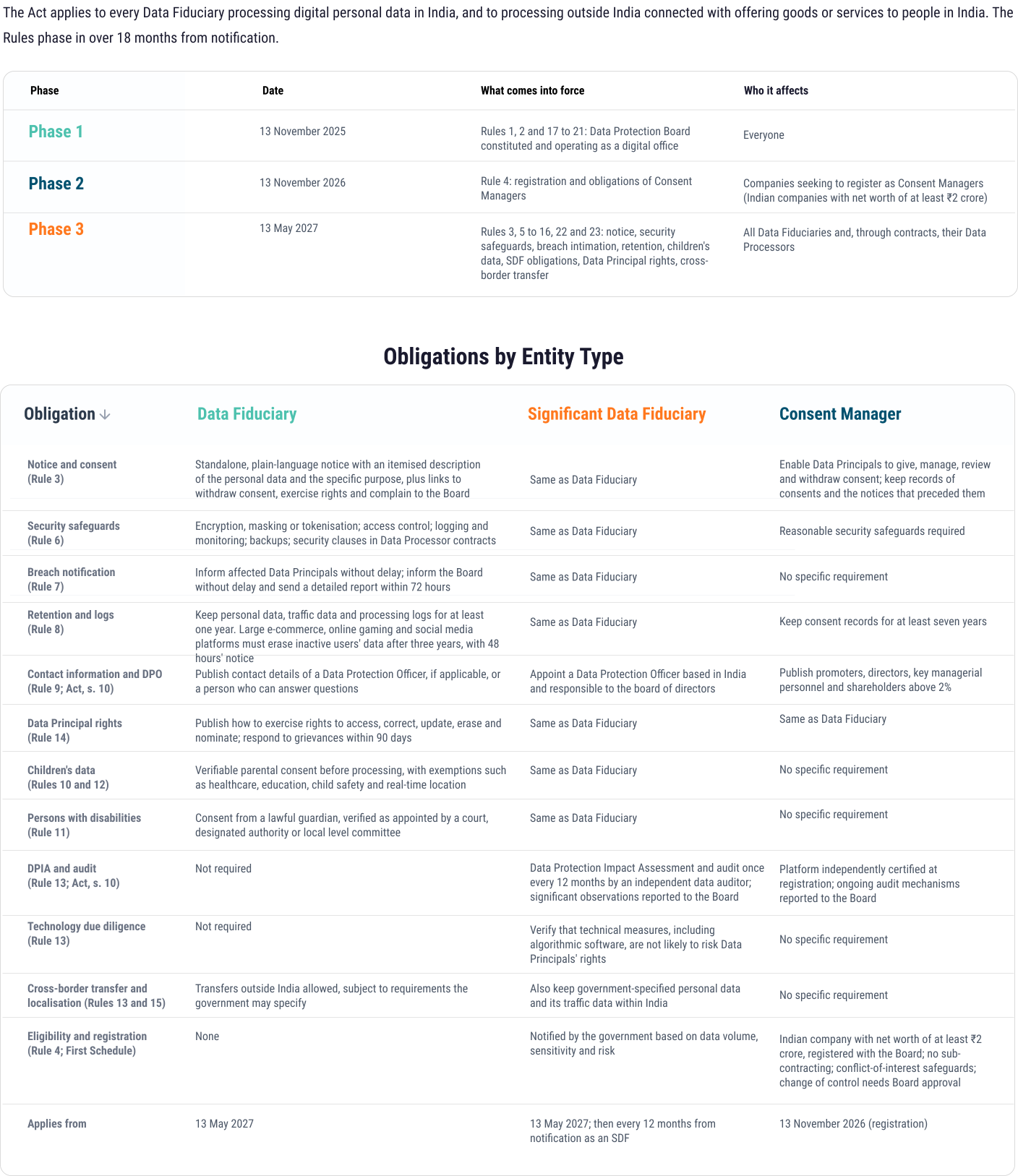
All entities handling digital personal data must issue standalone, clear consent notices, display contact information for a designated officer or Data Protection Officer, notify individuals of personal data breaches, and respond to Data Principal requests within 90 days.
Enhanced obligations include independent audits, impact assessments, and stronger due diligence for deployed technologies. They must also comply with government-specified restrictions on certain categories of data, including localization where required.
Entities that help individuals manage their permissions. These must be Indian companies.
The Act applies to every Data Fiduciary processing digital personal data in India, and to processing outside India connected with offering goods or services to people in India. The Rules phase in over 18 months from notification.
ControlCase DPDP Assessment Process